Support for the
supporters
Bilingual support for adults who are trying to help another adult navigate mental health challenges, substance use, or complex life crises. Practical guidance for people who care and want to respond skillfully.
What's a peer?
What's a Peer Specialist?

lived experience, professionally applied
A peer is a trained, non-clinical professional who uses their own lived experience of mental health and/or substance use recovery to support others. Peer support is grounded in mutuality, choice, and respect, and is delivered using nationally recognized standards that emphasize ethics, boundaries, and person-centered support. Peers do not diagnose, treat, or provide clinical services; their role is to offer support rooted in shared experience and practical skill.
What peer support is not: scope of practice matters
Peer support is not therapy, counseling, crisis intervention, or emergency care. Peers do not assess risk, provide medical advice, or replace licensed providers or emergency services. Peer support is voluntary and non-clinical by design, intended to complement — not substitute for — clinical care. These boundaries are essential to maintaining safety, clarity, and integrity in the role.
where can you find peers in your community?
Peer support is formally recognized and widely used across the United States. All 50 states have peer certification pathways, and many state Medicaid programs reimburse peer support services as part of behavioral health care. Peers work in settings such as crisis and walk-in centers, hospitals, outpatient clinics, community programs, reentry services, and virtual or phone-based support. Peer support is an established and growing part of the U.S. health system.
Guides
I'm concerned that someone i care about may be experiencing:


Thoughts of suicide
If you’re noticing that someone you care about seems increasingly alone, overwhelmed, or like they don’t matter, it’s normal to feel unsure what to do next. People at risk often talk about feeling like a burden, being trapped in pain, or losing hope that things can change — sometimes directly, sometimes in quieter ways.


A MENTAL Disorder
If you suspect someone you care about may be struggling with their mental health — or you’re living with someone who has a diagnosis — you may be reaching a point where what you’re doing isn’t helping the way you hoped. When support feels ineffective, confusing, or exhausting, it’s hard to know what or how to change.

A substance use issue
If someone you care about is using in ways that worry you — even if it’s inconsistent, “not that bad,” or hard to explain — you may find yourself watching, adjusting, and wondering where the line is. You might be covering, confronting, avoiding, or trying to stay calm, while feeling unsure what actually helps and afraid of making things worse.
Upcoming Guides
COMING soon!
More Guides Designed For You, the supporter
deescalation in emotional moments
TRUE self care -
an exploration
Supporting a loved one with dementia
dealing with complex situations
Peer mentor for YOU
Want to talk it through?
*Adults supporting adults
Option 1
consultation
$25
One 15 minute virtual session
Space to share what you’re navigating
Clarify whether mentorship is a good fit
No obligation to continue
Option 2
4-WEEK MENTORSHIP
$340
Four 60-minute virtual sessions
Used over four consecutive weeks
Support tailored to your situation
Focus one or two priority areas
Option 3
12-Week Mentorship
$900
Twelve 60-minute virtual sessions
Used over twelve consecutive weeks
Ongoing reflection and integration
Support through sustained uncertainty
Shop merch

Full curriculum guides
Concerned about suicide? 
Concerned about mental health? 
Concerned about substance use?
Products & Tools

Peer specialist t-shirts 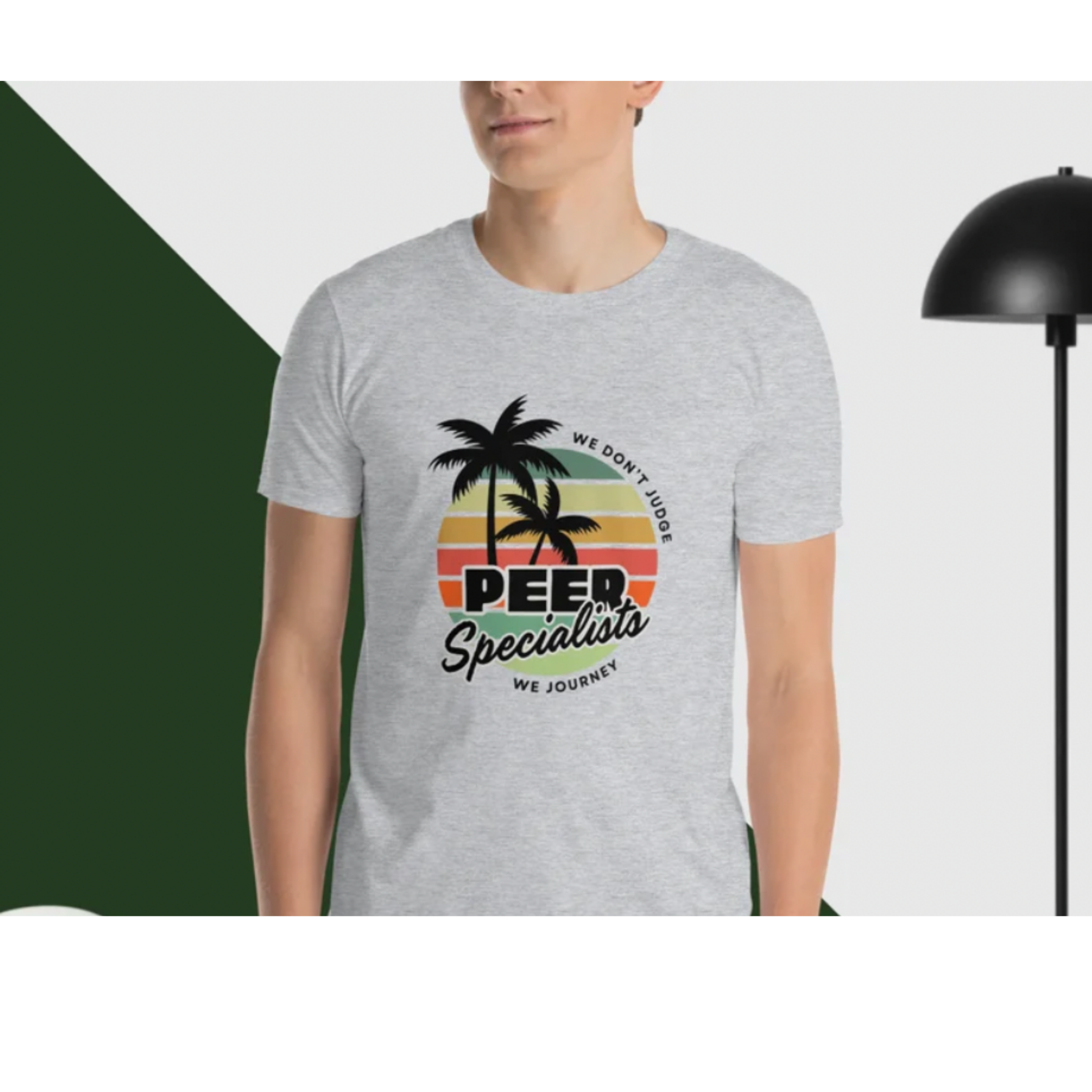
More cool gear coming! 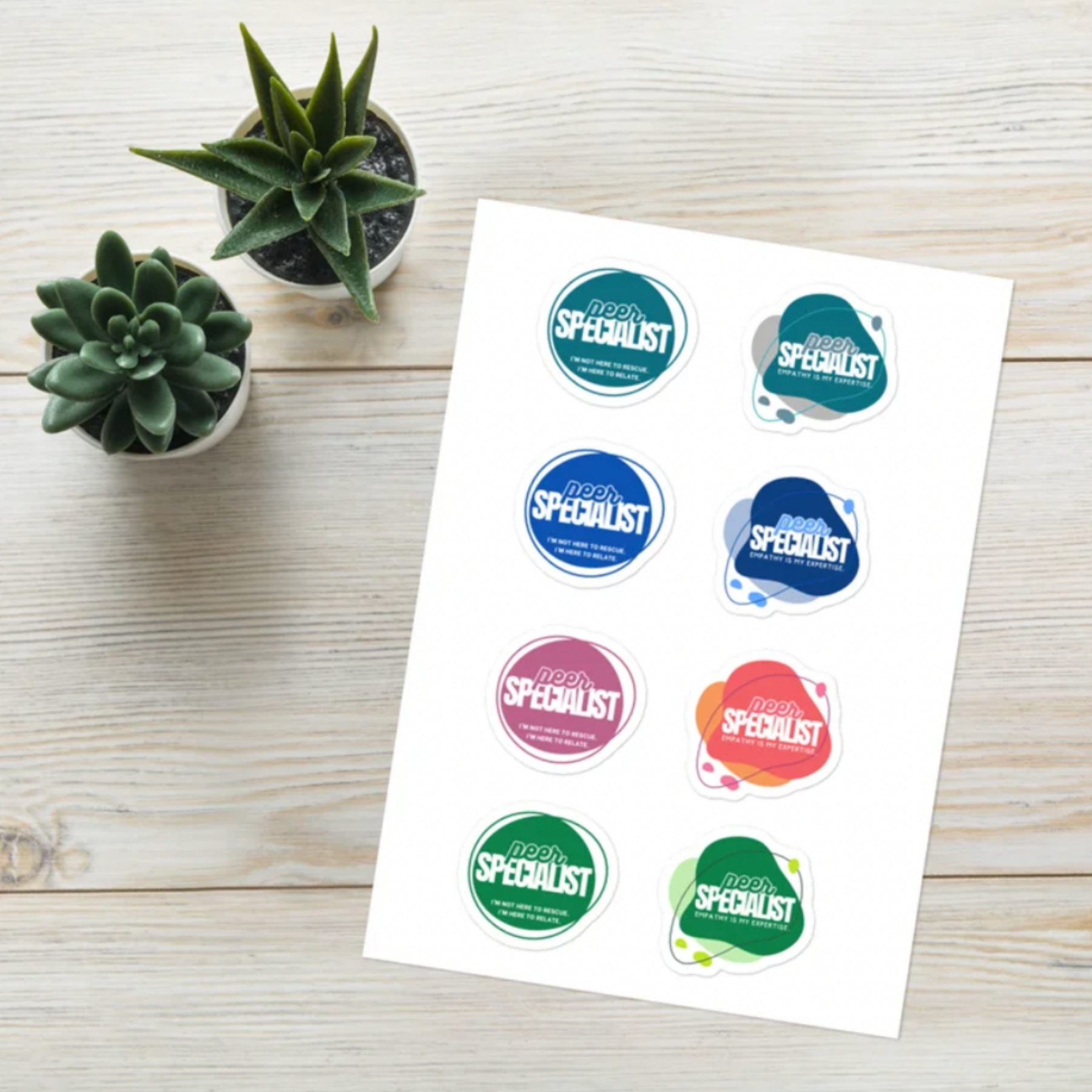
Stickers & more

About me
Who am I?
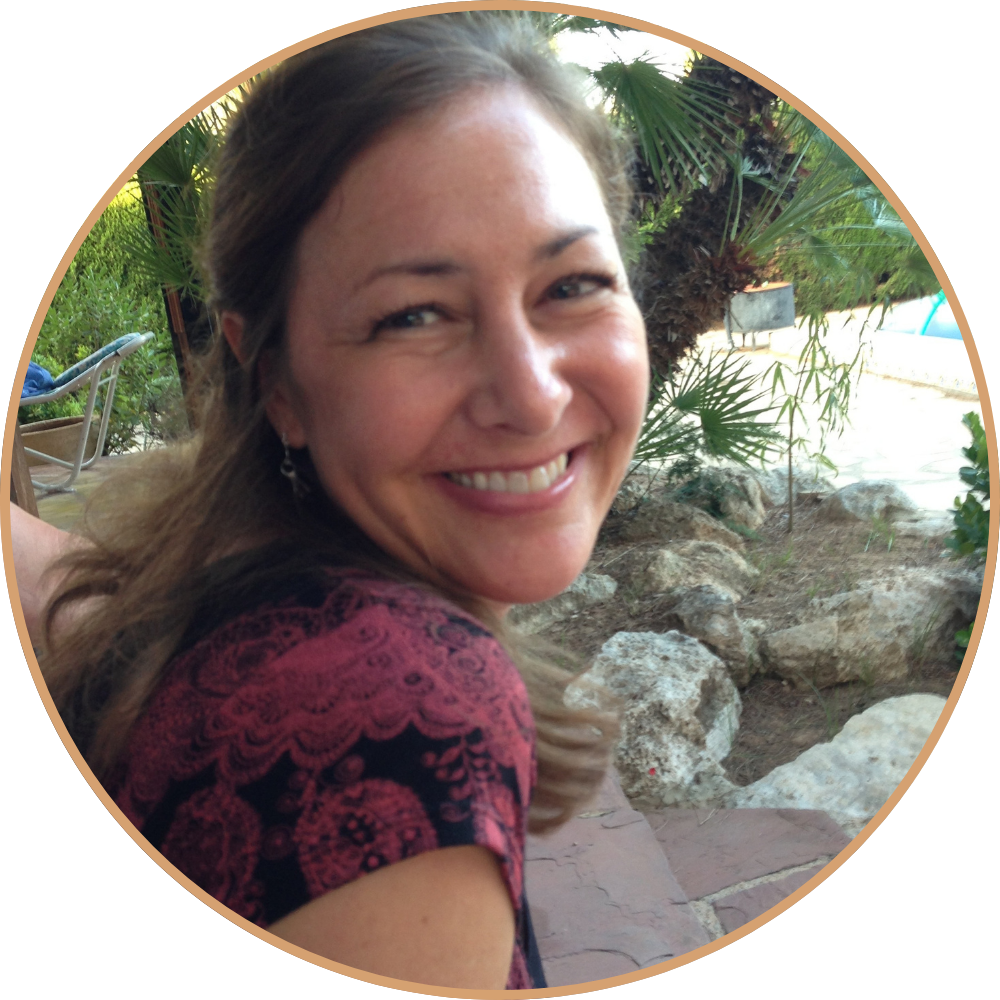
Hi, I’m Bethea.
This work is for people trying to help someone they love and realizing they don’t know what to do anymore. You replay conversations. You wonder whether to step in, step back, say more, say less, do more, do less. You care deeply — and still feel unsure, ineffective, or afraid of making things worse.
You guessed it - there was a time my personal life completely unraveled. That experience led me from teaching in a classroom to working in a walk-in crisis center, where I sat not only with individuals in acute distress, but also with the parents, partners, peers, and family members supporting them. What stayed with me was how often the supporters were struggling just as much — trying hard, showing up consistently, and still lacking clarity about how to help in ways that actually mattered. Watching this, a question began to take shape: Can people who are not therapists or 'experts' learn how to support others in meaningful, impactful ways?
This work is my answer. I am now nationally certified as a peer specialist, and I bring together what I’ve learned through lived experience, frontline crisis work, and my background in curriculum and instruction to create practical, teachable support skills.
Bethea García
MS, NCPS
“You are not a drop in the ocean. You are the entire ocean in a drop.”
— Rumi, 13th-century poet and Sufi mystic
Need Support now?
In the U.S.: call or text 988 for crisis support. Call 211 for local resources.
International: findahelpline.com
Copyright © 2026 The Helping Kind | Supporting the Supporters
All rights reserved
Disclaimer | Privacy Policy